10 solstice facts for everyone to know
Earth orbits the Sun while spinning on its tilted axis, with two annual occasions marking that maximal tilt. That’s where solstices arise.Continue reading on Starts With A Bang! » Source link...
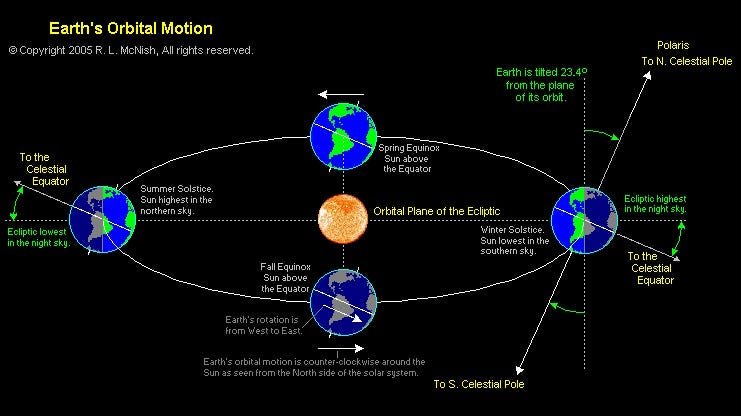
Earth orbits the Sun while spinning on its tilted axis, with two annual occasions marking that maximal tilt. That’s where solstices arise.Continue reading on Starts With A Bang! » Source link...
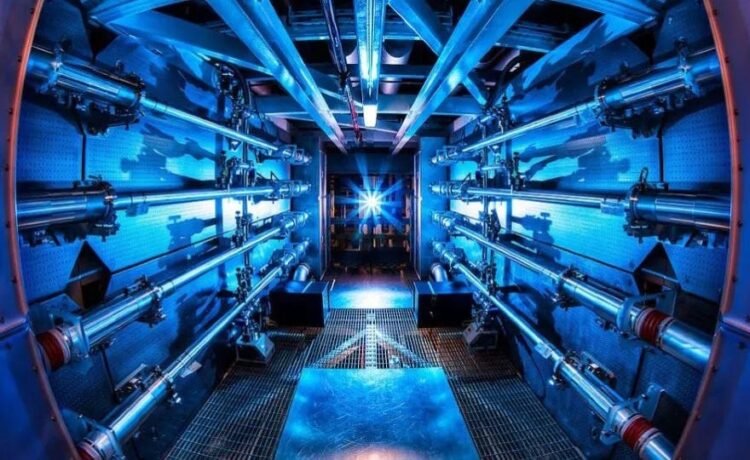
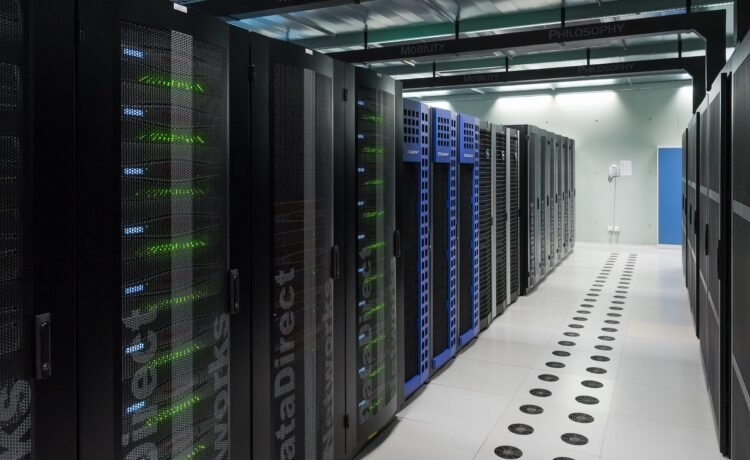
The Department of Energy’s newest mission seeks to make a unified AI platform across all national labs. Will it help US science, or kill…Continue reading on Starts With A Bang! » Source link...
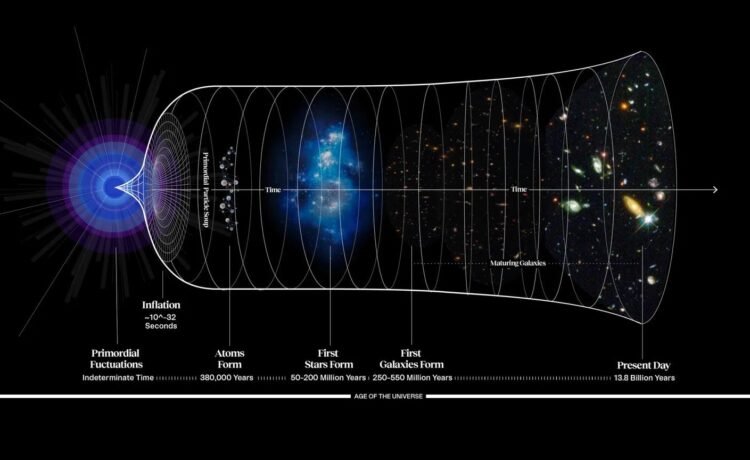
Our Standard Model of the Universe, for both particle physics and cosmology, remains intact for now. When will its foundations crack?Continue reading on Starts With A Bang! » Source link...
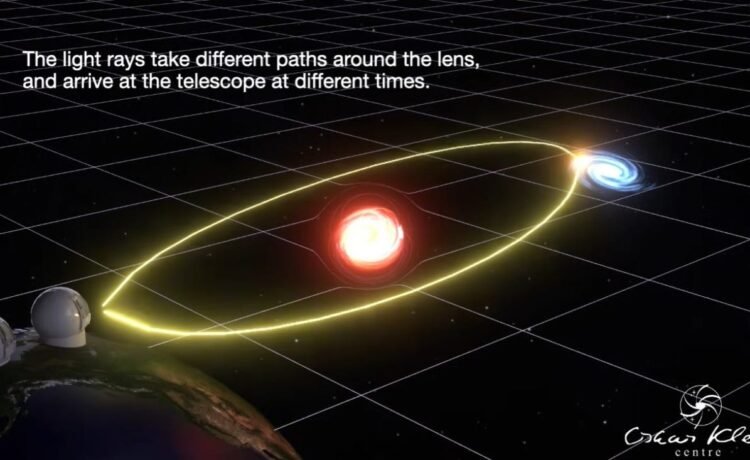
With the observation of SN 2025wny, a lensed superluminous supernova, astronomy’s future comes into sharp, exciting focus.Continue reading on Starts With A Bang! » Source link...
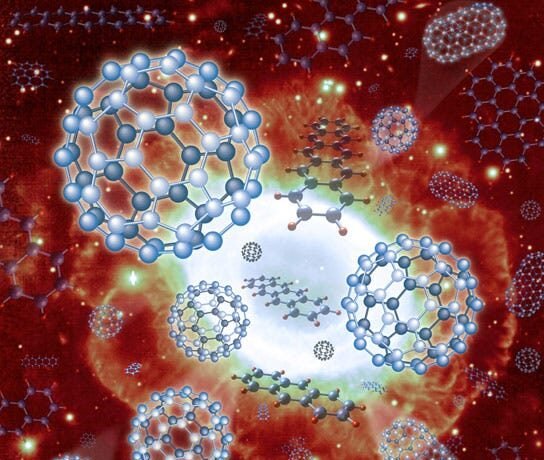
It takes a wide variety of processes in the Universe to make all the elements that populate space today. We’re still discovering new ones!Continue reading on Starts With A Bang! » Source link...
As technology advances, more opportunities for cheating arise. AI/LLMs aren’t posing a new problem; they’re how students cheat themselves.Continue reading on Starts With A Bang! » Source link...
Science isn’t absolute. Its truths and discoveries enable us to approximate reality, but we must always remain open-minded to revisions.Continue reading on Starts With A Bang! » Source link...
The method you use to measure the expanding Universe determines which of two answers you’ll get. Lensed supernovae can’t resolve that…Continue reading on Starts With A Bang! » Source link...
Scientific truths remain true regardless of belief. These 10, despite contrary claims, remain vitally important as 2025 draws to a close.Continue reading on Starts With A Bang! » Source link...
Some vital, key ingredients must be in place for the Universe to make more matter than antimatter. The LHC took us one step closer in 2025.Continue reading on Starts With A Bang! » Source link...