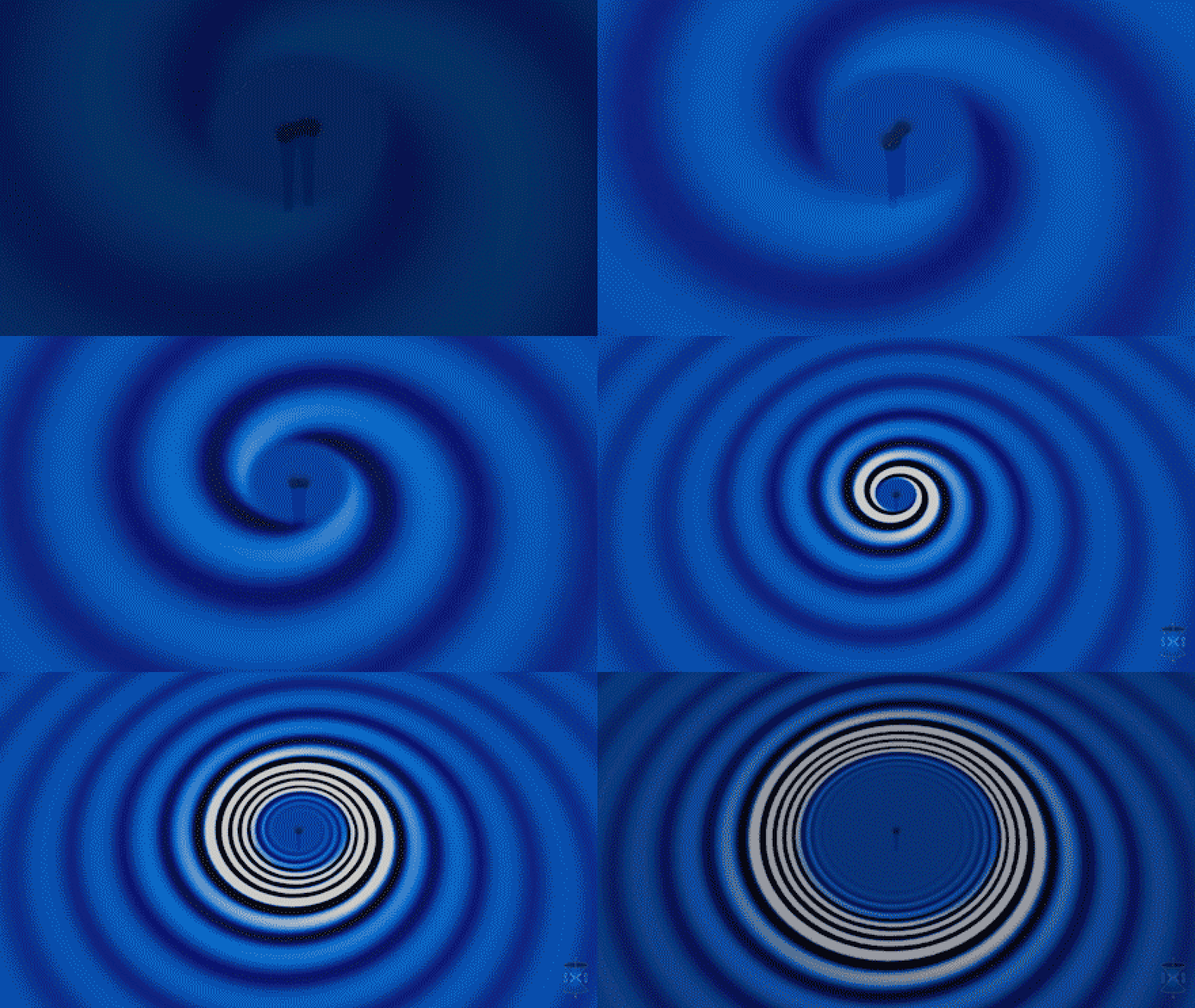

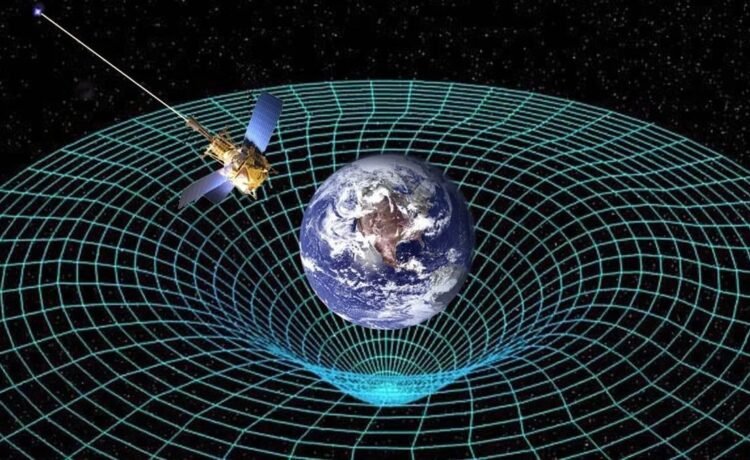

We first measured G, the gravitational constant, back in the 18th century. As the least well-known fundamental constant, can it be improved?

Our physical universe, to the best of our understanding, can only be made sense of because it always obeys the same fundamental laws: everywhere and at all times. It isn’t just the underlying laws of nature that apply to all physical systems, but a series of fundamental constants as well. Chief among these constants are h, Planck’s constant that governs quantum physics, c, the speed of light in a vacuum that’s the same for all observers, and G, the gravitational constant that was introduced by Newton and that remains, even today, as an inseparable part of Einstein’s field equations in General Relativity.
Even though Newton introduced G in the late 1600s, it wasn’t until 1798 that we were first able to measure it. 200 years later, we realized that many of our claimed refinements were in error, and that our uncertainties were still quite large. Even today, in 2025, G remains one of the least well-known fundamental constants, as the current figure still has a 0.0022% uncertainty on it, while h and c are now defined exactly. Can our understanding of G be improved, and if so…