
SCIENCE

All claims of extraterrestrial life must pass these 7 hurdles


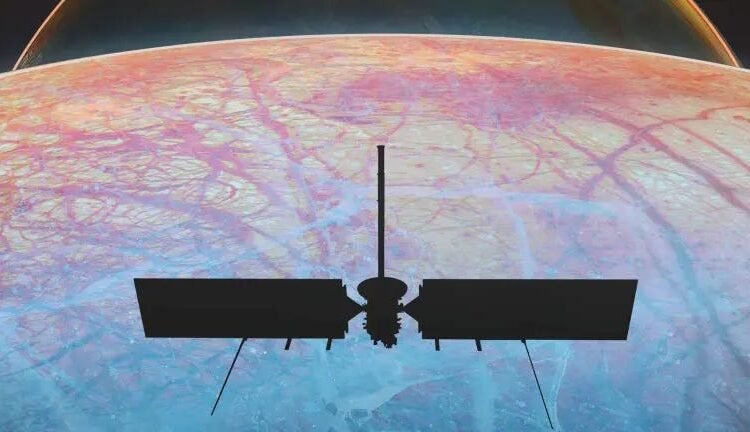
The Europa Clipper mission represents NASA’s first mission dedicated to exploring an ocean world within our Solar System. Covered in exterior ice and with a strongly suspected worldwide ocean beneath it, Europa is one of the best candidate worlds for life of extraterrestrial origin. (Credit: NASA/Jet Propulsion Laboratory-Caltech)

No claim has even made it halfway up the Confidence of Life Detection (CoLD) scale, but 21st century science is just beginning to unfold.

The grandest cosmic question remains unanswered: “Are we alone?“
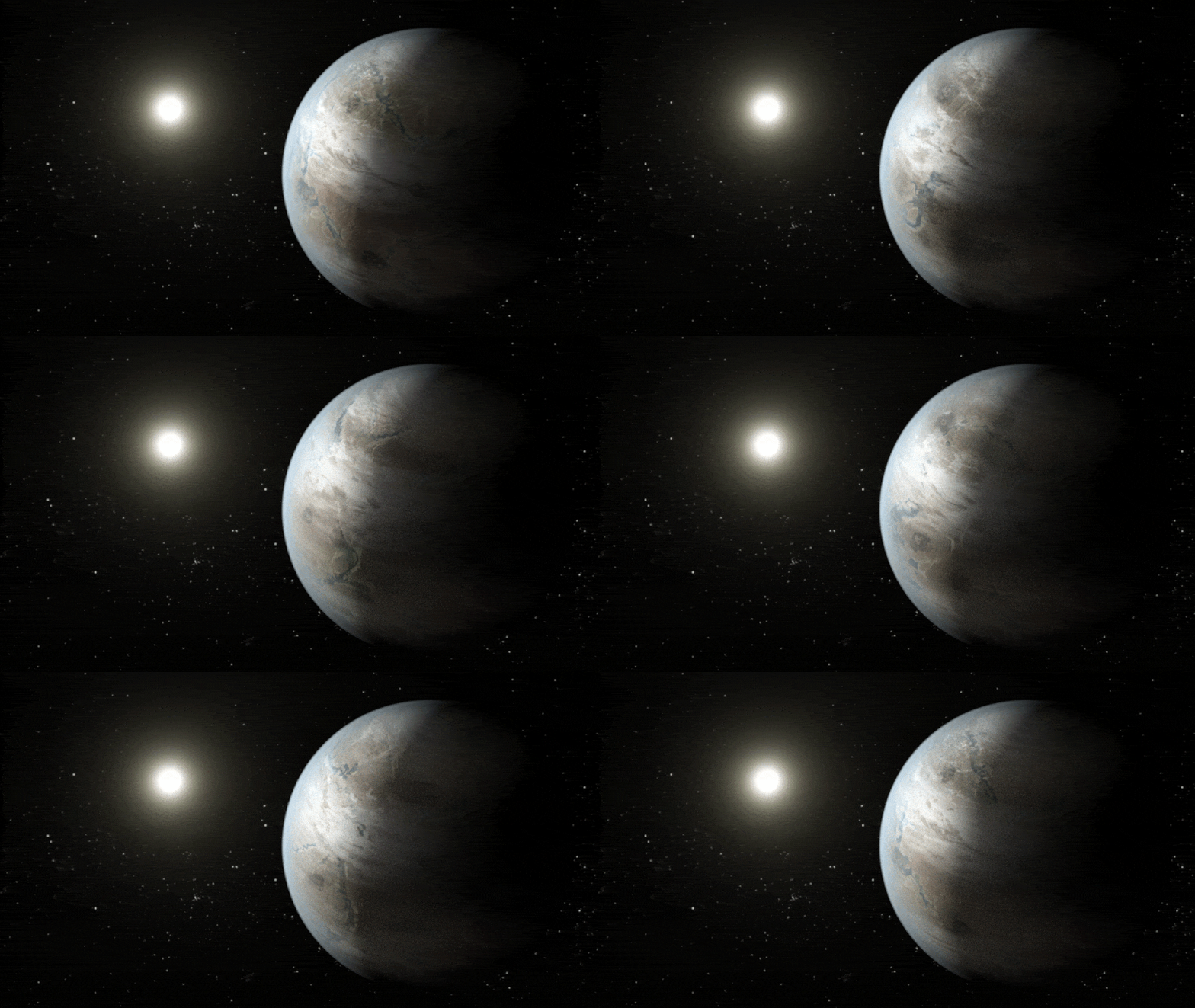
This depiction of an Earth-like exoplanet showcases a rocky world with a thin atmosphere in its parent star’s habitable zone. It has oceans and continents and clouds, and could possess macroscopic life forms on its surface. At a distance of multiple light-years away, it would take a gargantuan telescope to image them, and it would only be able to see the world as it was in the distant past, not as it is right now. (Credit: NASA Ames/JPL-Caltech/T. Pyle)

Earth stands alone as a definitively inhabited world.

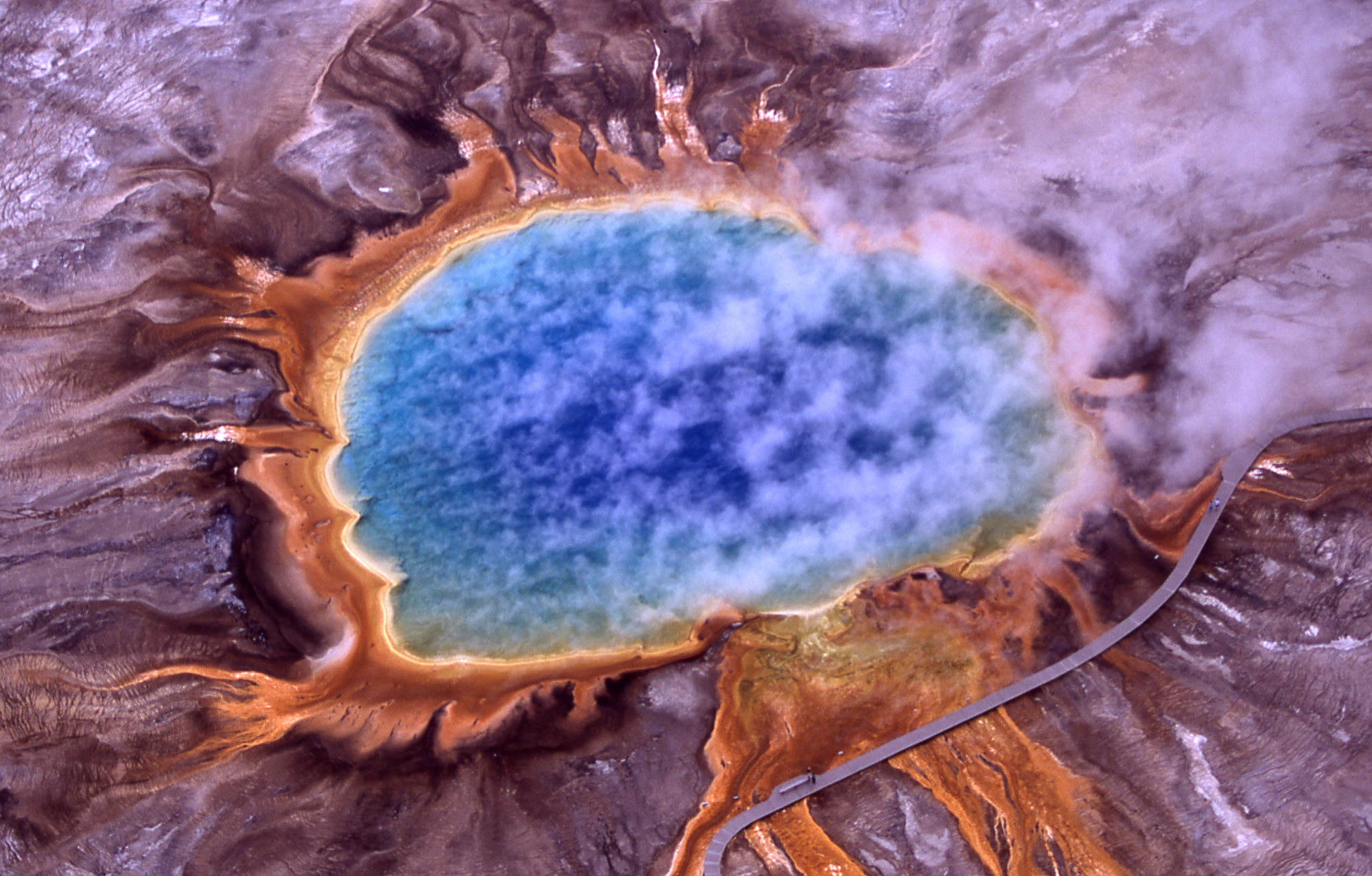
This aerial view of Grand Prismatic Spring in Yellowstone National Park is one of the most iconic hydrothermal features on land in the world. The colors are due to the various organisms living under these extreme conditions, and depend on the amount of sunlight that reaches the various parts of the springs. Hydrothermal fields like this are some of the best candidate locations for life to have first arisen on a young Earth, and may be home to abundant life on a variety of exoplanets. (Credit: Jim Peaco/National Parks Service)

Although claims of alien life abound, they lack independent support.
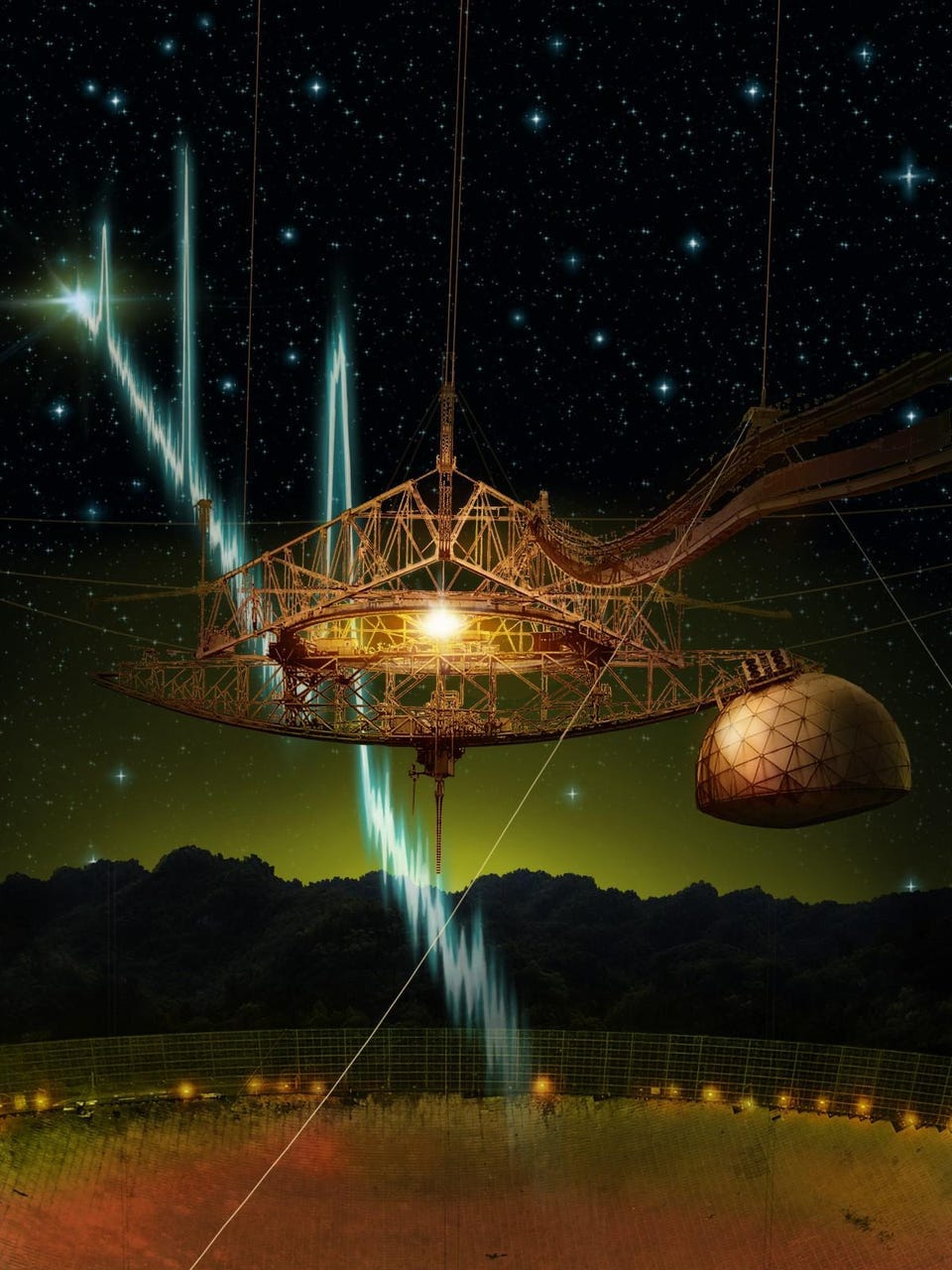
Before its collapse in 2020, the Arecibo telescope was the first to see multiple fast radio bursts from the same source. Although they are not a signal of intelligent alien origin, the telescope has been used to set many of the strictest limits on the existence of transmitting alien civilizations, as well as having been used to transmit messages from humanity out into the Universe. Leveraging radio telescopes remains perhaps the most powerful tool for searching for extraterrestrial intelligence. (Credit: Danielle Futselaar)

Canals on Mars” were merely optical illusions.
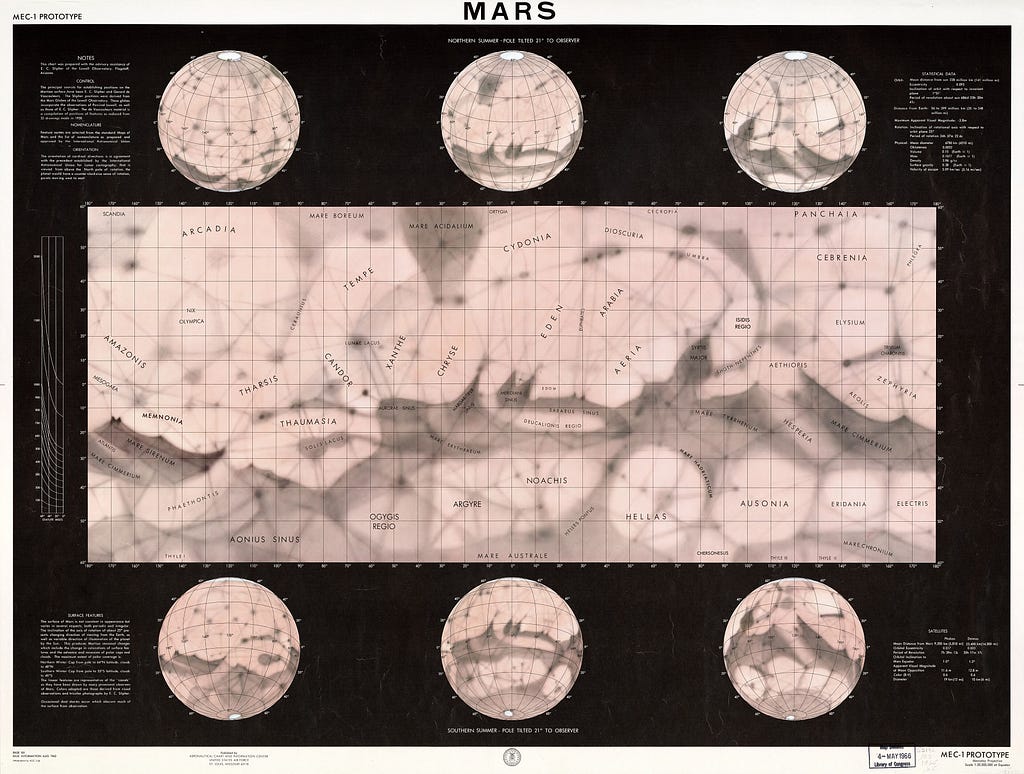
This map of Mars dates to 1962: prior to the first USA and USSR spacecraft to view the world up close. This map was later shown to be non-representative of the terrain of Mars, which is instead heavily cratered and has a few significant valleys and small-scale dried-up riverbeds, along with a few large volcanoes. However, the network of canals turned out to not be present at all upon close inspection. (Credit: Aeronautical Chart And Information Center/USA)

The Viking mission’s promising Labeled Release experiment failed replication.

This image was taken from the Viking 2 lander on Mars in 1976: shortly after its landing. From its location in Utopia Planitia on Mars, it operated until April of 1980, when its primary mission was brought to a close. The Viking landers, combined, gave us our first views of the Martian surface, from two locations some 4000 miles apart. (Credit: NASA/JPL-Caltech)

Microfossils in the Allen Hills Martian meteorite remain inconclusive.

This scanning electron microscope image of a fragment of the Allen Hills 84001 meteorite contains inclusions that resemble simple life found on Earth. Although this sample is thoroughly inconclusive, bombardment of Earth by extraterrestrial objects is a certainty. If they contain dormant or fossilized life, we could discover it via this method. (Credit: NASA)

Phosphine’s presence on Venus, hotly debated, admit volcanic origins.

Venus’s cloud-rich atmosphere lies high above a dense, thick, extremely hot surface layer. The lower cloud decks don’t begin until you’re already tens of kilometers up, and persist in multiple layers until the highest hazes at ~90 kilometers in altitude. These clouds, composed largely of sulfuric acid, are perhaps the most striking feature of Venus’s atmosphere, with complex chemical reactions occurring within them. (Credit: S. Seager et al., Astrobiology, 2021)

And extraterrestrial messages, including 1977’s Wow! signal, allow natural explanations.
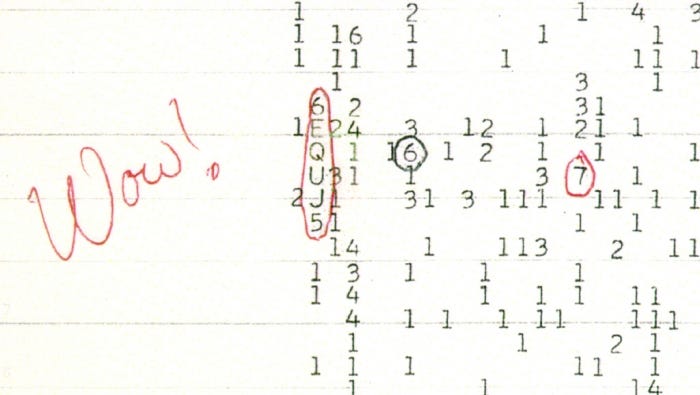
The “Wow!” signal, annotated with Jerry Ehman’s original identification, shows the brightest, most intense transient radio source ever seen from a potentially non-natural astrophysical source. While there has been no meaningful confirmation of this signal, it could be eerily similar to what someone receiving our Arecibo message might have noticed. (Credit: Big Ear Radio Observatory)

The challenge is confirming biological activity while eliminating non-biologic explanations.
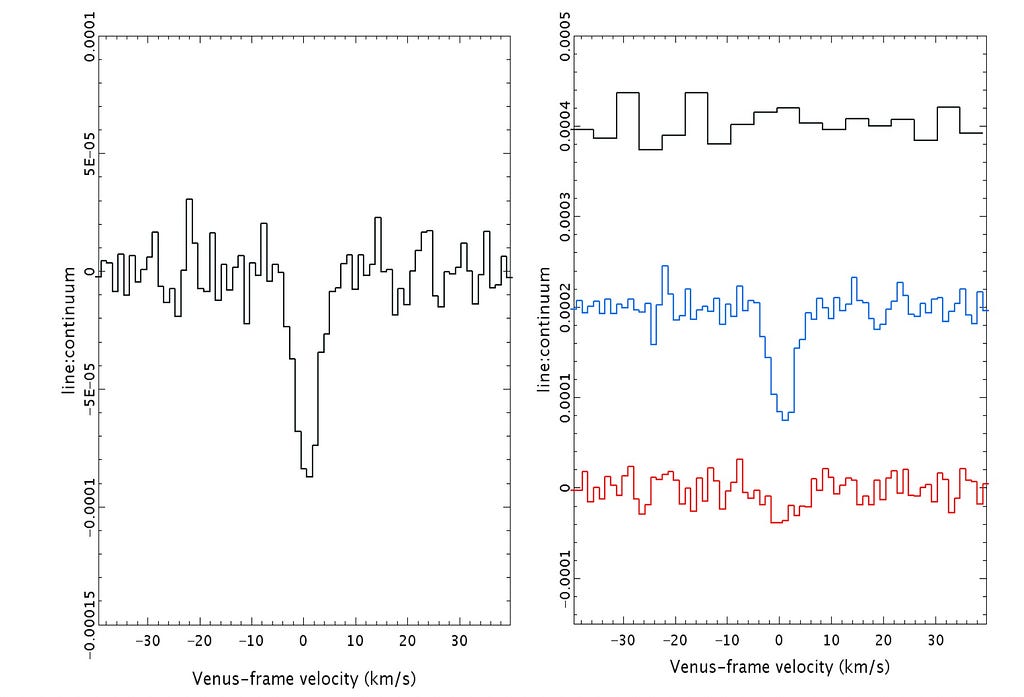
The absorption spectra of the cloud-decks of Venus centered on the wavelength of the J1–0 transition of phosphine, as obtained with ALMA. The left panel is the planet-wide average, the right panels, top to bottom, show polar (black), mid (blue), and equatorial (red) latitudes. For some reason, the signal is strongest, and only clear, at mid-latitudes. The interpretation of the data remains highly controversial, even today. (Credit: J. Greaves et al., Nature, 2020)

The 7 Confidence of Life Detection (CoLD) steps outline how we’ll get there.

The Confidence of Life Detection (CoLD) scale is a way for scientists to quantify how confident we are that a potential biosignature actually arose from the activity of life. Signatures like “methane on Mars” or the new features found inside Perseverance’s latest sedimentary rock (as well as ancient Mars Viking results) have only risen to Level 1 on this scale. Until we reach at least Level 4, ruling out abiotic pathways to creating the observed signatures, appropriate skepticism (including disbelief) of any claims of life’s involvement is warranted. (Credit: NASA)

1.) Detecting a biogenic signal.

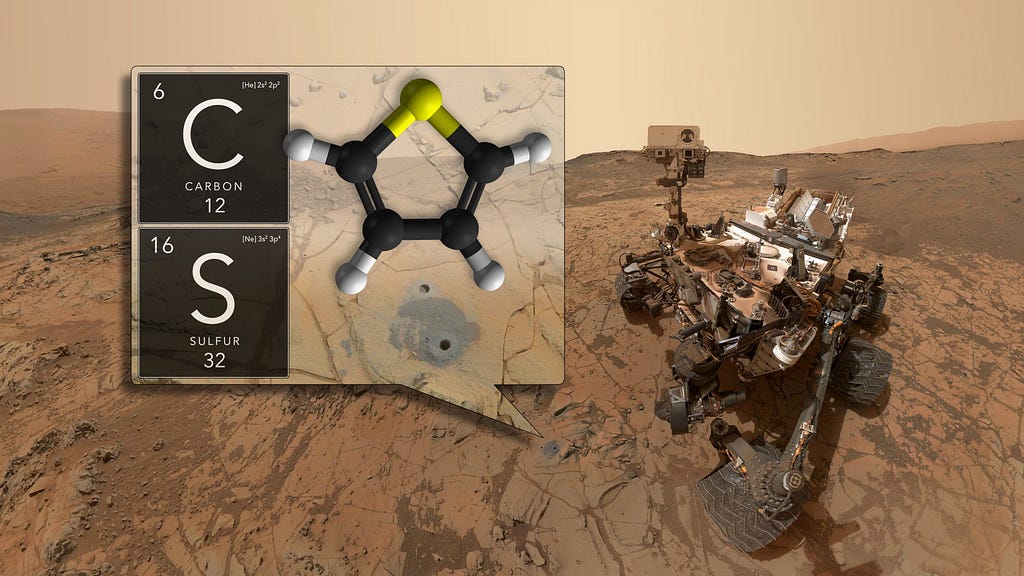
NASA’s Curiosity rover found a number of fascinating properties throughout its (still ongoing) mission, and that includes a number of organic molecules, including seasonally-varying methane and sulfur-containing organic molecules. These are often taken to be potential indications of biological activity on Mars, but the mere presence of organics, alone, does nothing to rule out the probability of an abiotic pathway to produce what is observed. (Credit: NASA/GSFC)

This part’s easy; ruling out non-biological alternatives is hard.
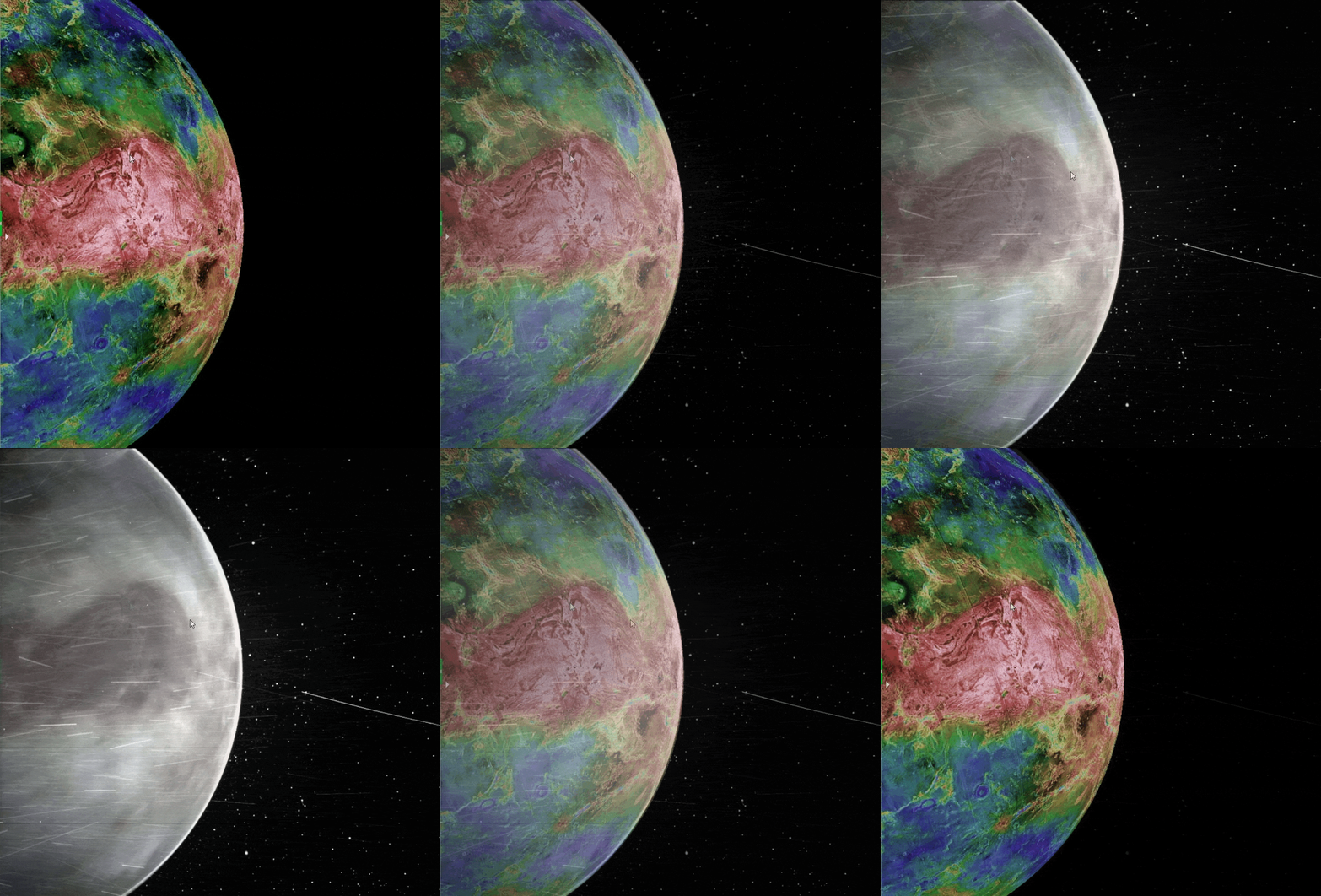
The WISPR data from the Parker Solar Probe, in monochrome, clearly matches the surface features seen by the infrared orbiter Magellan, shown in assigned color. Long wavelength light, such as infrared light, can peer through the clouds of Venus, all the way down to the surface. It’s only because the clouds themselves radiate in the infrared that phosphine can act as an absorber along the line-of-sight. (Credits: NASA/APL/NRL (left), Magellan Team/JPL/USGS (right))

2.) Ruling out contamination.

The first truly successful landers, Viking 1 and 2, returned data and images for years, including providing a controversial signal that may have indicated life’s presence on the red planet. Decades later, we still don’t have the confirmation to know whether that one successful test was a false positive or not, but the bouldery terrain remains a mystery. (Credit: NASA and Roel van der Hoorn)

Terrestrial life must be eliminated as the culprit.

This collection of diatoms represents a scanning electron microscope view of suspended particulate matter collected on a membrane fillter with tiny (0.4 micron) pore sizes. These diatoms bear a tremendous resemblance to the ones found in the Allen Hills meteorite, which suggests, but does not prove, terrestrial contamination. (Credit: Kostas Tsobanoglou/Wikimedia Commons)

3.) Demonstrating biological signal production in situ.

NASA’s Perseverance rover puts its robotic arm to work around a rocky outcrop called “Skinner Ridge” in Mars’ Jezero Crater. Numerous organic compounds have already been identified in the Martian soils present at this location by Perseverance, but “organics,” despite the implications of that word, usually have nothing to do with life at all; it simply indicates a molecule containing a carbon-hydrogen bond. As of 2025, there have been no crewed attempts at landing on Mars, and promises toward that end are incongruent with current technology. (Credit: NASA/JPL-Caltech/ASU/MSSS)

Determining plausible biological pathways represents a necessary step.

Recurring slope lineae, like this one on the south-facing slope of a crater on the floor of Melas Chasma, have not only been shown to grow over time and then fade away as the Martian landscape fills them in with dust, but are known to be caused by the flowing of briny, liquid water, as the dried-up flows leave new trails of salts behind. In those flows, life processes not only once occurred, but perhaps are still occurring today as dormant organisms are awakened by flowing liquid water. (Credit: NASA/JPL-Caltech/Univ. of Arizona)

4.) Ruling out non-biological sources.
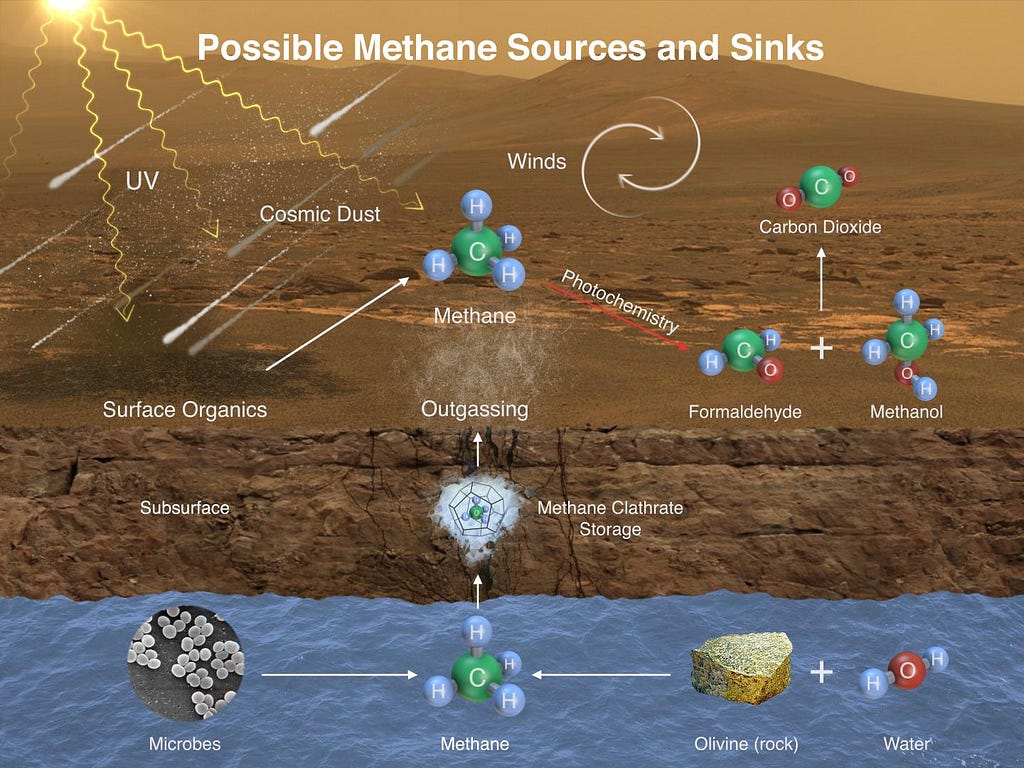
NASA’s Curiosity Mars Rover detected fluctuations in the methane concentration of Mars’s atmosphere seasonally and at specific locations on the surface. This can be explained via either geochemical or biological processes; the evidence is not sufficient to decide at present. However, future missions, but not the now-cancelled Mars Sample Return, may enable us to determine whether fossilized, dormant, or active life exists on Mars. Right now, we can only narrow down the physical possibilities; more information is required to determine which pathway accurately reflects our physical reality. (Credit: NASA/JPL-Caltech/SAM-GSFC/Univ. of Michigan)

Like seasonal methane on Mars, chemical pathways often duplicate biogenic signatures.
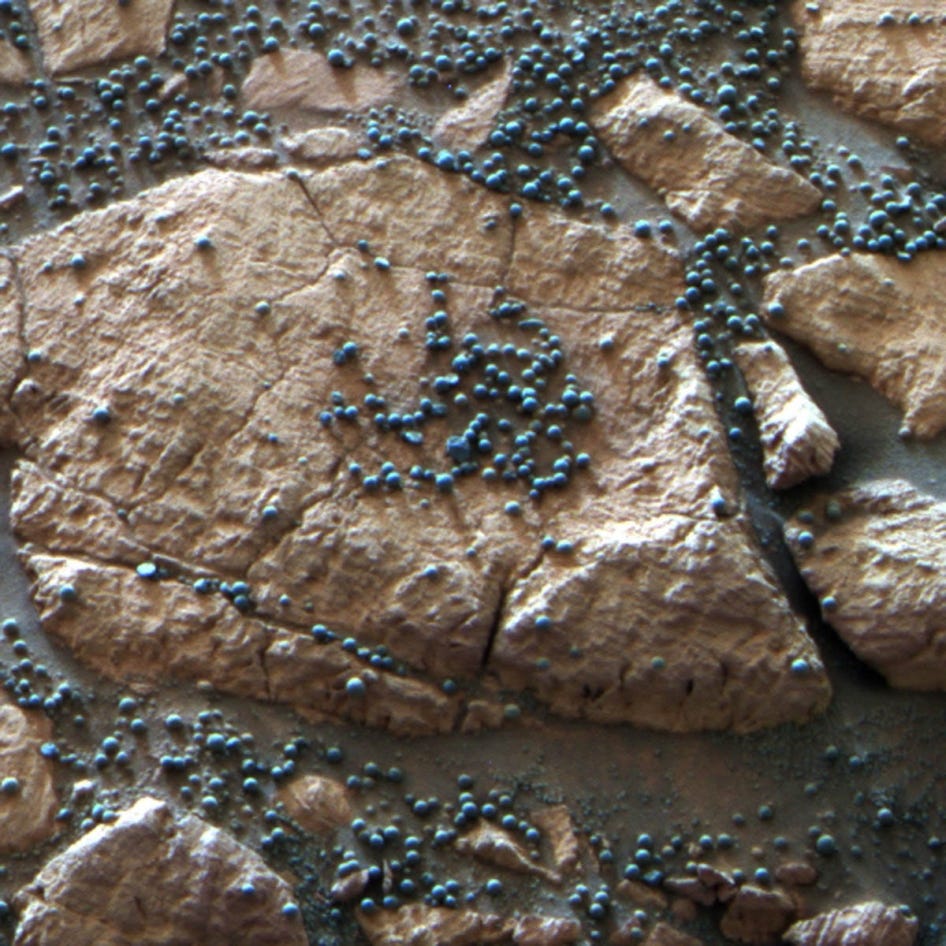
The hematite spheres (or ‘Martian blueberries’) as imaged by the Mars Exploration Rover Opportunity. This photograph was taken in the lowlands of Mars, at low elevations, where liquid water is thought to have once covered the now-exposed surface. A watery past is the most favored scenario that led to the formation of these spherules, with very strong evidence coming from the fact that many of the spherules are found attached together, which ought to occur only if they had a watery origin. Although similar spherules typically indicate life’s presence on Earth, an abiotic origin is favored for their presence on Mars. (Credit: NASA/JPL-Caltech/Cornell University)

5.) Confirming independent biological signatures.
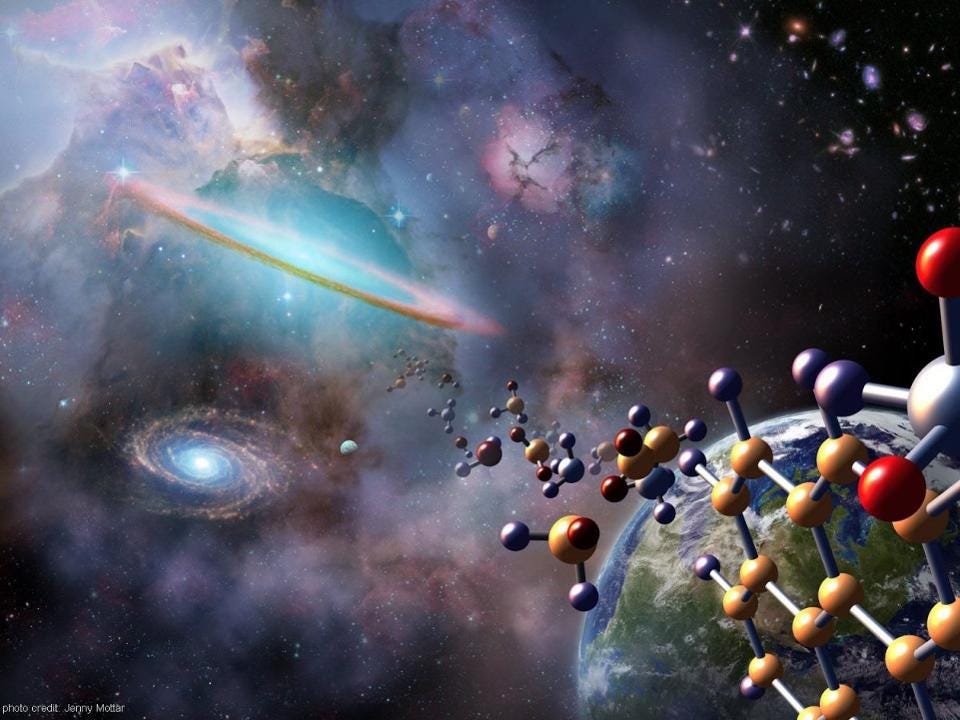
The way that atoms link up to form molecules, including organic molecules and biological processes, is only possible because of the Pauli exclusion rule that governs electrons, forbidding any two of them from occupying the same quantum state. (Credit: NASA/Jenny Mottar)

We require additional, independent, supporting evidentiary lines for biosignatures.
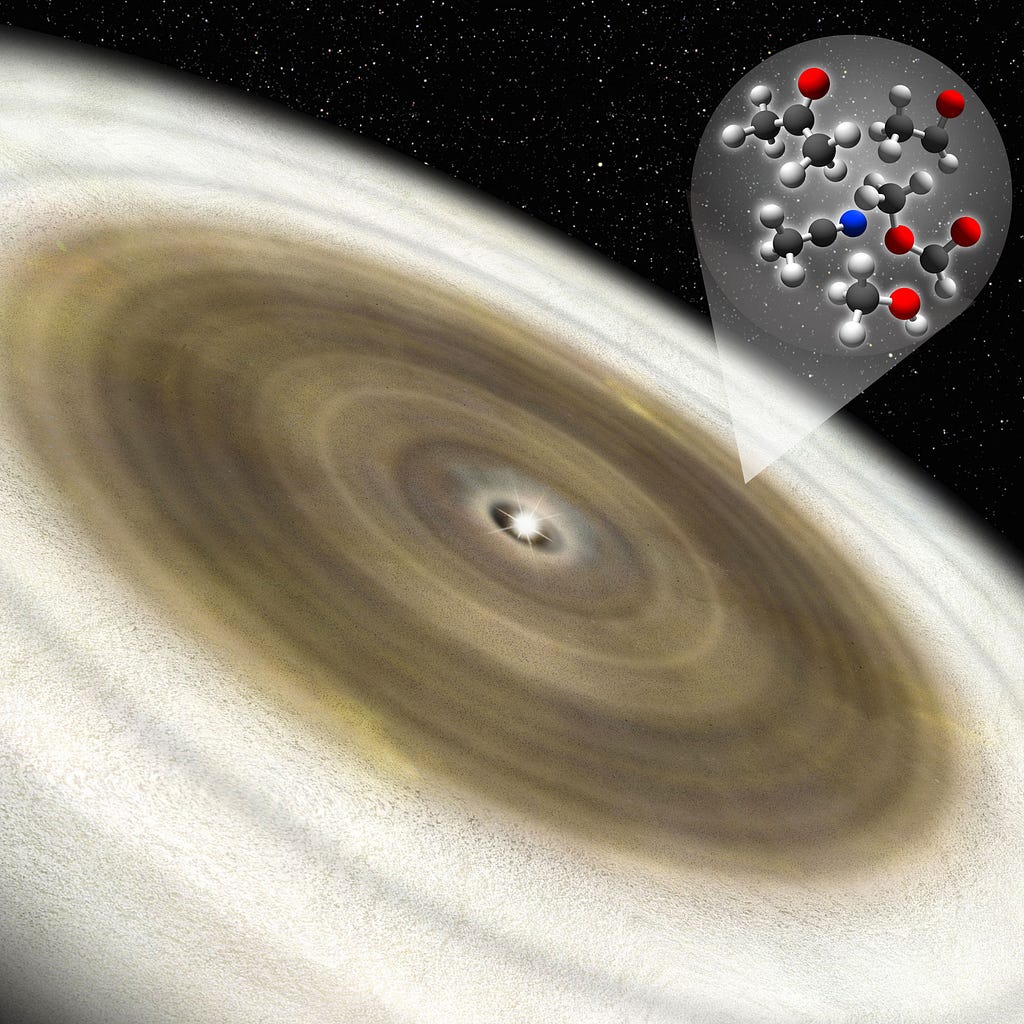
This artist’s illustration shows a young protoplanetary disk around a young star, like V883 Ori. The outer part of the disk is cold and dust particles are covered with ice, while various organic molecules are found closer in: toward the water frost line. We do not yet know what a “typical” protoplanetary disk or a typical planetary system looks like. (Credit: NAOJ)

6.) Eliminating all alternative hypotheses.

The rock shown here, discovered by NASA’s Perseverance Rover on Mars, contains leopard-like spots on a reddish rock located in Mars’s Jezero Crater in July of 2024. Sample analysis indicated organic molecules and reduction/oxidation reactions, which could serve as a potential biosignature. However, abiotic pathways to the production of these characteristics cannot be ruled out as of yet. (Credit: NASA/JPL-Caltech/MSSS)

New discoveries always spur unconventional hypotheses; all must be ruled out.

This four-panel graph shows the reduction/oxidation processes that occurred in the Bright Angel and Masonic Temple regions within Jezero Crater, as explored by NASA’s Perseverance Rover. The discovery of organic molecules and these sets of reactions hint at, but do not prove, the possible presence of ancient biological activity on Mars. (Credit: J.A. Hurowitz et al., Nature, 2025)

7.) Independent follow-ups must confirm biological activity.

This image of a region within Mars’s Jezero Crater, known as Cheyava Falls, was taken with NASA’s Perseverance Rover’s Mastcam-Z camera. The drillhole, at left, shows where a sample was collected on July 21, 2024, while the image was taken two days later. There is some suggestive evidence that life processes may have created some of the features discovered within this rock, but the evidence is not conclusive. (Credit: NASA/JPL-Caltech/MSSS)

Robust biogenic indicators must be predicted, measured, and observationally validated.
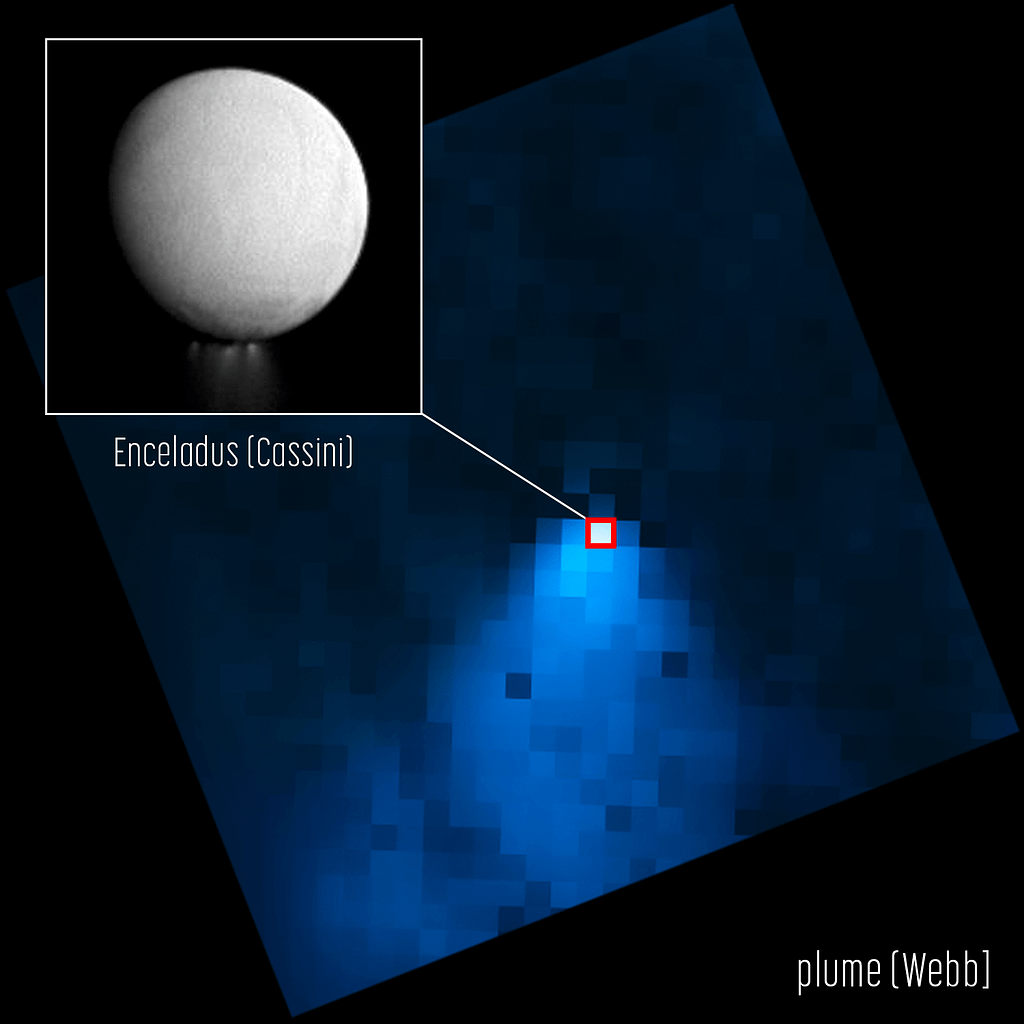
Enceladus is a moon of Saturn made primarily of water-ice, which ejects plumes made of water vapor, ice particles, and organic chemical compounds from it. About 30% of those emissions feed Saturn’s E-ring, while the remaining 70% goes elsewhere into the Saturnian system. (Credit: NASA, ESA, CSA, Geronimo Villanueva (NASA-GSFC); Processing: Alyssa Pagan (STScI))

Thus far, no claim has yet reached level 4.
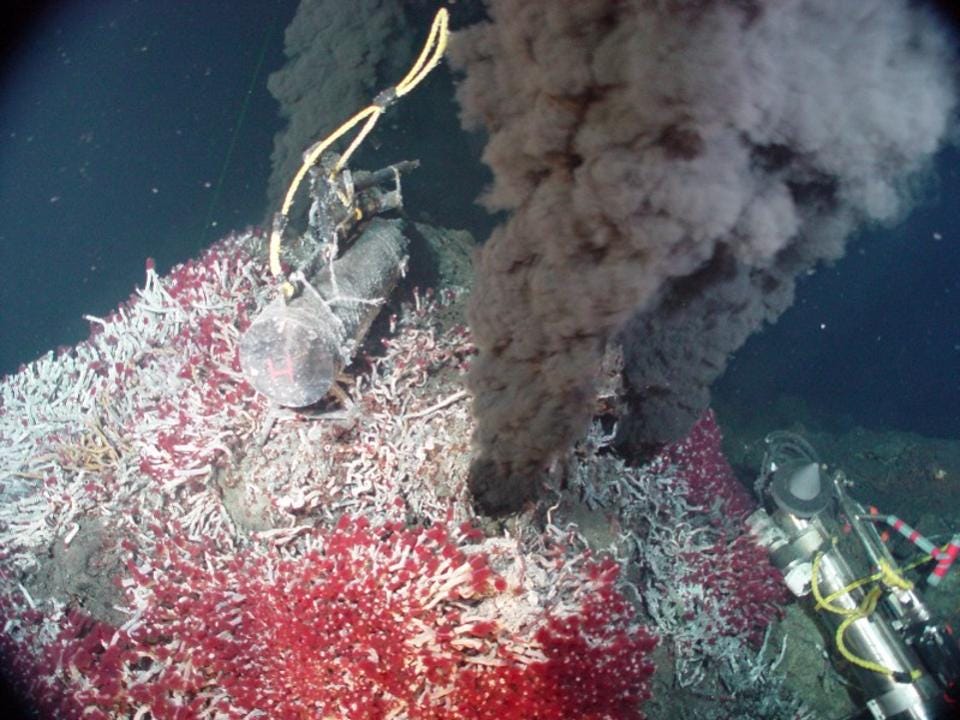
Deep under the sea, around hydrothermal vents, where no sunlight reaches, life still thrives on Earth. How to create life from non-life is one of the great open questions in science today, but hydrothermal vents are one of the leading locations where the first metabolic processes, the precursor to living organisms, may have first arisen. If life can exist down there on Earth, perhaps undersea on Europa or Enceladus, there’s life down there, too. (Credit: NOAA Office of Ocean Exploration and Research)

Mostly Mute Monday tells an astronomical story in images, visuals, and no more than 200 words.

Starts With A Bang is written by Ethan Siegel, Ph.D., author of (affiliate links following) Beyond The Galaxy, Treknology, The Littlest Girl Goes Inside An Atom, and Infinite Cosmos. His latest, The Grand Cosmic Story, is out now!


All claims of extraterrestrial life must pass these 7 hurdles was originally published in Starts With A Bang! on Medium, where people are continuing the conversation by highlighting and responding to this story.
Source link

MarylandDigitalNews.com