

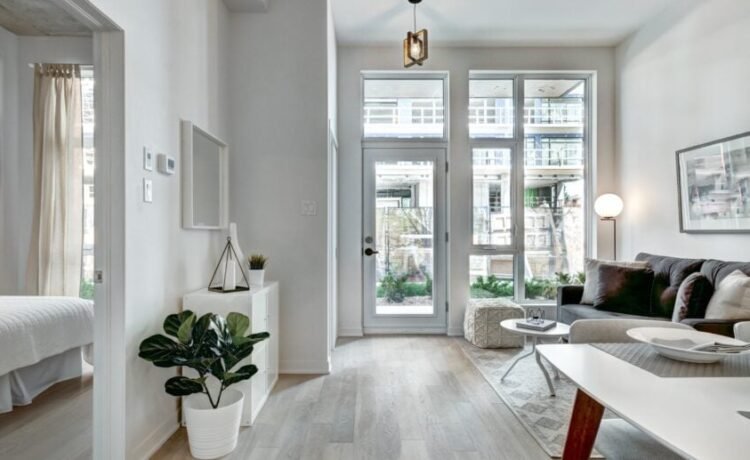
Solo living is no longer a state enforced on a spouse when their other half passes away, but increasingly a lifestyle choice many Americans prefer or have found themselves in when their family lives elsewhere, and the idea of cohabitation doesn’t appeal.
For landlords, catering to this growing demographic can be a big boost to the bottom line. According to KFF Health News, just under 30% of Americans aged 65 and older now live alone—a dramatic increase from 10% in 1950. Lower marriage rates, higher divorce rates later in life, the decision not to have children, and the post-COVID pandemic desire to live in isolation are some of the factors driving the increase in solo living.
According to Yardi’s RentCafe data, summarized by NAI Global, the number of renters living solo increased by about 1 million, or 6.7%, from 2016-2021. Solo renters are especially prevalent in high-growth job markets such as Salt Lake City and several Texas metros, where in-migration is strong.
In Salt Lake City, the solo-occupant population increased by nearly 25%—about 50,000 people—accounting for 15% of the city’s renter population. Although baby boomers are still the main demographic of solo renters, making up 32.4% of them, per RentCafe data, 29.5% of millennials are flying solo. In addition, millennials’ average salary of $55,973 is more than $22,000 more than that of the average renter, meaning this generation has money to spend.
The Affordability Issue
Affordability challenges in the for-sale housing market are another reason for the increase in solo renters, as renting is now less expensive than homeownership when mortgage payments, taxes, insurance, and maintenance are factored in.
However, that does not mean renting is a breeze for solo dwellers, especially for older renters on fixed incomes. AInvest’s recent analysis shows that the share of solo senior households spending over 50% of their income on housing was over 16% in 2020.
An Opportunity for Investors
This year, the oldest boomers will turn 80, Senior Housing News reports. With the boomer population increasing, comprising 64 million people, or nearly one-fifth of the population and rising, the housing industry isn’t keeping up. In fact, the number of senior housing facilities in some markets is shrinking.
This presents an opportunity for landlords if handled correctly. RentCafe’s data shows that, on average, older tenants are willing to pay a premium for privacy, but overall face financial burdens because they cannot split costs with roommates or partners.
Some seniors realize the need for companionship and cost-cutting and have moved in with roommates. A 2025 senior housing trends report from NIC MAP says the sector will need 560,000 additional units by 2030 to meet the per-capita availability target.
“Many of our communities don’t have the housing that many aging adults can afford, with features that support them, in locations where they want to live,” said Rodney Harrell, PhD, AARP vice president of family, home, and community. “To meet this growing need, we must expand the nation’s housing stock and work to make our communities more livable with an all-ages mindset.”
Interestingly for investors, among those interviewed in the AARP survey, 75% of adults aged 50-plus said they still wanted to live in a single-family home and weren’t keen on living in a community for older people. One in four current homeowners aged 65+ has said they would consider buying or building an ADU.
Cohousing communities have been a way for seniors to maintain independence while still feeling connected to a community. In Silicon Valley’s Bay Area, a three-story building comprising 19 units opened in 2015, The Wall Street Journal reported, and there is a 20-to 30-person waiting list to move in.
Making Regular Rentals Senior Compliant
Most seniors aging in place are not looking to rent two-story houses, but rather small, single-family units with accessible floor plans, step-free entries, grab bars, good lighting, and walk-in showers, according to The National Institute on Aging.
Many of those features can be added gradually to existing small rentals to make them ADA-compliant. However, there are other steps to take if you want to take the process to the next level and convert a single-family home into a residential assisted living home, as documented on this BiggerPockets Forums thread, which can be highly profitable but requires obtaining the right permits and licenses. There are companies that can assist in the process.
Serving the Needs of Single-Tenant Renters: Midwest Cities Where Numbers of Solo Renters Are Soaring
PwC’s and the Urban Land Institute’s 2026 Emerging Trends In Real Estate report shows that senior housing, followed by workforce housing—both heavy single-tenant-based sectors—are two of the most in-demand housing sectors this year. The cities where solo renting is soaring have both a high percentage of boomers and millennials seeking tech-based jobs.
The Midwest, specifically Akron, Toledo, and Dayton, Ohio, has a low cost of living and a higher proportion of older residents. Similarly, Pittsburgh is generally cheaper to live in and has a mix of older residents and younger tech workers centered around big tech companies such as Alphabet’s Google, Microsoft, Facebook, Nvidia, and others.
Why Solo Renters Make Good Tenants
Less damage
Fewer tenants in a rental means less wear and tear.
High demand
As mentioned, between 2016 and 2021, the number of renters living alone increased by about 1 million people to 16.7 million, a 6.7% jump that made solo renters the fastest-rising renter group in the country.
Higher-income tenants will pay a “solo premium.”
This doesn’t apply to all solo renters, of course, but there are many who have significant savings and assets or are employed in higher-paying tech jobs who can pay premium rents to live alone.
Simpler property management
Fewer tenants equals fewer property management headaches.
Longer-term rentership
This is particularly true of older tenants. They’re not looking to move. They want to find a place they can settle into for the long haul, prioritizing privacy, safety, amenities, and flexible digital services over sheer size.
How to Attract Solo Renters
Design smaller, efficient, and more affordable units.
According to RentCafé’s 2024 review, “most cities are still experiencing a decline in square footage. For instance, Seattle ranks first among cities with the smallest new apartments, with units completed between 2015 and 2024 averaging 649 square feet. That’s a 57-square-foot decrease compared to older rentals.”
With the country mired in a housing affordability crisis, savings beat size every time.
Emphasize safety and neighborhood feel.
Safety is one of the top priorities for tenants, especially older residents, along with walkability, according to RentCafe.
Offer strong, photo-rich, easy-to-navigate digital walkthrough tours.
Almost 50% of 5,000 surveyed tenants from RentCafe said that clear photos and videos of specific units were helpful, while 39% interviewed by iApartments have used self-guided tours, and 26% have said they prefer a tour without a representative around.
Offer layouts that accommodate work-from-home jobs.
Solo renters are often remote workers. Ensure your rental includes alcoves and areas that can accommodate a desk, creating a work-from-home office.
Provide storage, outdoor space, and parking.
These factors have also ranked highly in surveys for solo renters, especially those who spend long periods at home.
Price rentals with “solo premium” pricing.
RentCafe reports that solo residents need about $8,600 more per year in income than the average renter. This means solo residents tend to skew toward high-income or older tenants with savings. Ensure your apartment pricing fits within a single renter’s budget.
Market to a solo renter demographic.
Millennials and baby boomers are your target audience. Phrase your property descriptions accordingly.
Highlight features that support independence, privacy, and low-stress living.
People often live alone for a reason: They value independence and peace of mind. Stress a responsive maintenance request protocol and clear communication.
Use surveys and feedback to understand what solo renters want.
These can include secure package delivery, modern kitchens, in-unit laundry, and spacious closets.
Final Thoughts
Investors often overlook one or two-bedroom houses, thinking that three-bedroom homes and above will appeal to tenants with kids looking to live in good school districts. Consequently, low-bedroom-count homes are often underpriced and can sit on the market longer—meaning they could be the source of great deals and cash flow. Modify your buying criteria accordingly, factoring in neighborhood safety, walkability, and parking, and you could find you have little competition when shopping for deals.