
Talk of lower interest rates has sparked hope that house flipping could make a comeback. Guess what? It never left.
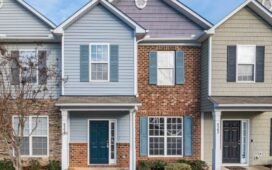
According to a new report from New Western, a marketplace for off-market properties for investors, local flippers supplied 217% more starter homes to the market in 2025 than homebuilders did, reshaping the narrative of how first-time buyers find affordable houses.
Why It No Longer Makes Sense for Builders to Construct Smaller Homes
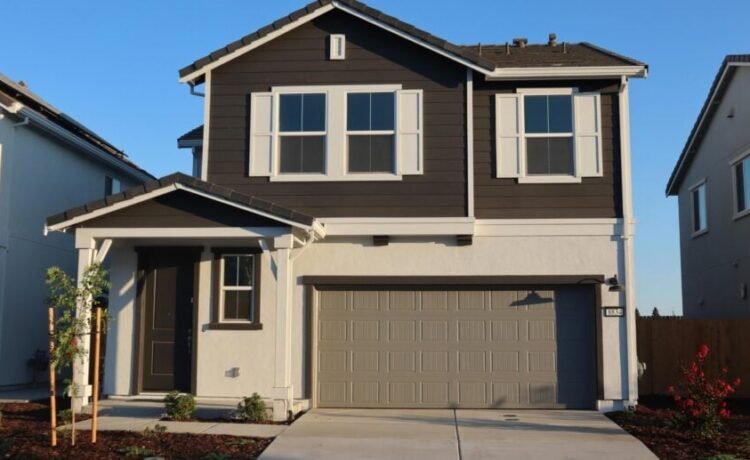
Like the dinosaur, starter homes once roamed across the length and breadth of America until a cataclysmic event—the COVID-19 pandemic and rising interest rates—made them an endangered species. In particular, the new construction of starter homes dwindled.
The New York Times, citing data from the Federal Reserve Bank of St. Louis, recently reported that builders broke ground on 1.36 million homes in 2025, slightly down from 2024. Given the 4 million-home supply gap reported by Realtor.com, there is still a significant void to fill.
“It has become more expensive, almost financially not viable, to build what we thought was a starter home: a 1,000-square-foot home,” Christian Kosko, a D.C. mortgage lender who often works with younger buyers, told the Washington Post. “They’re now incentivized to build million, million-and-a-half, $2 million homes. That’s where the profit is for those builders. The ramp-up in interest rates has made numbers for building smaller homes no longer work, even when they are mass-produced.”
Zillow senior economist Orphe Divounguy told the Post:
“In 2022, when mortgage rates more than doubled, the builders started to build smaller. They tried to make the math work for potential homebuyers. But prices have increased so much, it’s still very difficult to afford a home, especially in markets that don’t allow for building on small lots.… When a builder goes in there and tries to actually build something that would sell in today’s market, they just can’t.”
Flippers Have Flooded In to Fill The Void
The potential for a starter home comeback was always there. Entry-level homes have been the hardest-hit segment of the building drop-off, falling from 40% in the 1980s to just 7% today, according to the Home Buying Institute.
The supply of older homes, ripe for renovation, remained, waiting for investors with cash and contractors to turn things around. New Western’s Flip Side Report, based on dozens of major U.S. markets, found that local independent investors delivered 120,193 entry-level homes to the market in 2025, compared to 37,923 starter homes delivered by builders, marking the previously mentioned 216.9% edge for flippers.
In a recent press statement about the report, New Western cofounder and president Kurt Carlton said: “What if the real housing crisis isn’t that we haven’t built enough homes, but that we’re letting millions of starter homes disappear? Fixing today’s housing challenge isn’t just about building more homes. It’s about whether attainable housing actually exists at the entry point.”
Carlton added that in 2025, “small, local independent investors quietly became the largest supplier of starter homes in America,” not by building subdivisions but by “revitalizing existing homes that would otherwise remain underutilized and returning them to productive use.”
Amid Rising Construction and Labor Costs, Fully Finished Homes Carry Increased Appeal
In a 2026 prediction article, Forbes outlined the appeal of renovated and furnished homes to prospective homeowners over fixer-uppers. Shaun Pappas, partner at Starr Associates, said in the article:
“We also anticipate continued bidding wars for properties that are ready to move into. The continued rise in construction costs, including labor and materials, has made it more difficult for home purchasers to buy and perform renovations. Therefore, we see a potential decrease in the housing prices for homes that need renovation work, and an increase in housing prices for homes that are ready to be occupied.”
Starter Homes: A Close Relationship With Cash Flow Investors
Whether you’re a flipper or small landlord, starter homes are likely at the center of your investing equation. For flippers, the relationship is obvious: demand. Given the affordability crisis, smaller homes are not only an entry point for many but also a longer-term option, doubling as empty-nest residences for older homeowners.
New Western’s analysis shows that renovated homes are usually priced well below new construction and often below the median price of homes on the market, making them an attractive proposition for small investors looking for long-term holds and cash flow. A previous report from New Western showed that revitalized homes are 35% to 80% more affordable than new construction in most markets, and 17% more affordable than the market median existing-home sales.
The vast pool of older housing means there is also a large potential for BRRRR flippers once interest rates drop, or for those who have the cash on hand to undertake a rehab project for rent and refinance at a later date.
Small Multifamily Homes are the New Starter Home
According to Realtor.com, based on data from the National Association of Home Builders, small multifamily homes of two to four units are filling the new-construction starter home gap. Financing is easier for these builders as they are larger and make financial sense for homeowners because the rental income offsets the mortgage payment.
Investors could look into buying these too, especially newer investors looking to kick-start their landlording journey, because they qualify for FHA loans that require a 3.5% down payment. By rinsing and repeating, while refinancing the former personal residence into a conventional mortgage, investors can accrue a sizable portfolio in a short period of time.
In many cases, the urban infill lots accommodating small multifamily properties have replaced older single-family housing stock as zoning laws have changed to allow more housing. In newer developments, outside city centers and established suburbs, two-to-four-unit homes sit alongside townhouses and single-family homes.
“In both cases, the appeal is affordability and access to a neighborhood that can’t always be attained through the traditional single-family home path,” Realtor.com senior economist Joel Berner said in a press release. “These townhomes or duplexes offer entry-level buyers the opportunity to own a home in a neighborhood they like without spending more than they can afford.”
Final Thoughts: Best Cities for Investing in Starter Homes
The scope for generating cash flow from starter homes is only going to increase as a slate of zoning reforms moves through the legal system to increase housing across the country. Often, that means building small multifamily units in place of older single-family homes. In others, it means constructing ADUs where lot size allows, while also renovating the existing single-family structure. In all instances, opportunities for flippers and landlord investors in the starter-home space are considerable.
Some cities are more favorable to investors seeking starter homes than others. Most tend to be smaller metro areas in the Northeast, Midwest, and South, as this Realtor.com report shows. Cross-referencing that report with this comprehensive analysis from Construction Coverage using data from the U.S. Census Bureau, Zillow, Redfin, and Freddie Mac will give you an accurate reading as to where to begin your starter home investing career.